

Thought Leadership
From Donors to Co-Creators: The Rise of Participatory Philanthropy
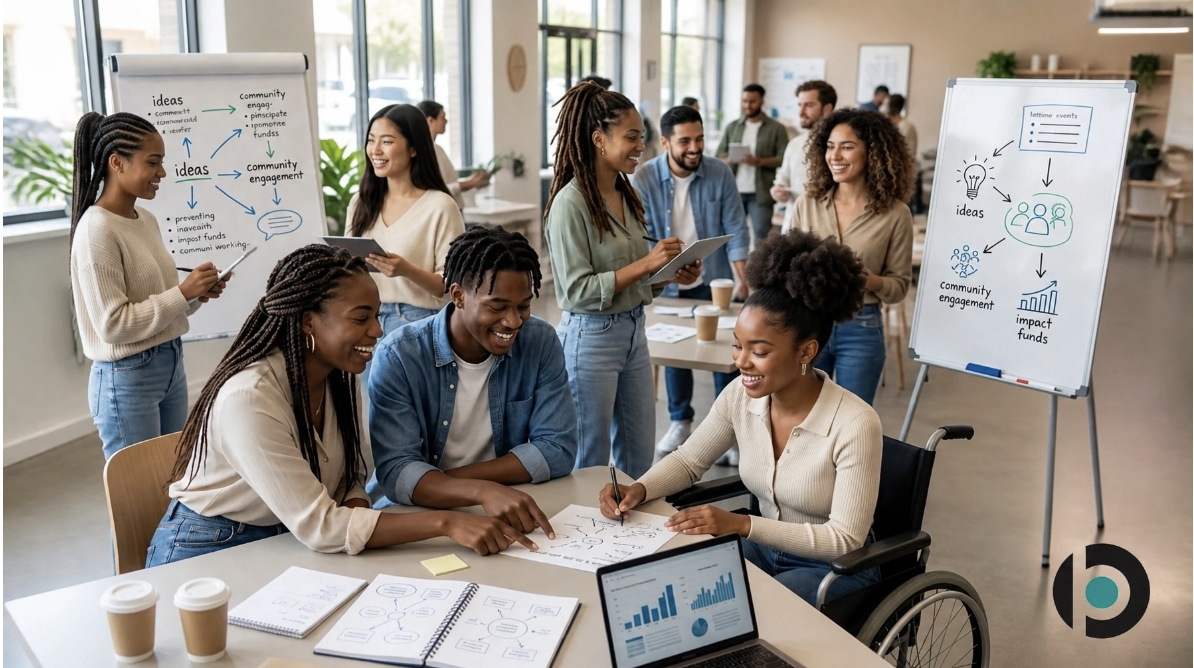
WE ARE WITNESSING A FUNDAMENTAL SHIFT IN THE ARCHITECTURE OF GIVING. For decades, the world of philanthropy operated like a private club. Donors wrote checks, institutions managed the funds, and the communities being “served” were often left outside the room while decisions about their future were made. It was transactional, it was top-down. But the wind is changing. We are moving away from the old-school “donor-centric” model and stepping into a vibrant, shared era of co-creation.
At Bridge Philanthropic Consulting, LLC, we’ve spent years at the intersection of capital and community. We’ve seen that the most lasting impact doesn’t happen when a donor acts as a savior. It happens when a donor acts as a partner. This isn’t just about moving money; it’s about moving power. It’s about recognizing that the people closest to the problems are almost always the ones closest to the solutions.
“Philanthropy is no longer about what we can do for a community, but what we can build with them,” says Dwayne Ashley, CEO of Bridge Philanthropic Consulting. “When we invite donors to become co-creators, we aren’t just raising funds: we are building a movement that can sustain itself long after the first check is cashed.”
THE EVOLUTION: FROM TRANSACTION TO TRANSFORMATION
The old model was simple: See a need, write a check, get a report. It was a one-way street. But today’s most visionary leaders are realizing that this “arm’s-length” approach misses the most important ingredient for success: local wisdom. The evolution into a co-creator model means that donors are no longer just passive observers of change. They are active participants who work alongside community leaders to design strategies that actually stick, and then they invest and trust the leadership to do what they do well in their mission work.
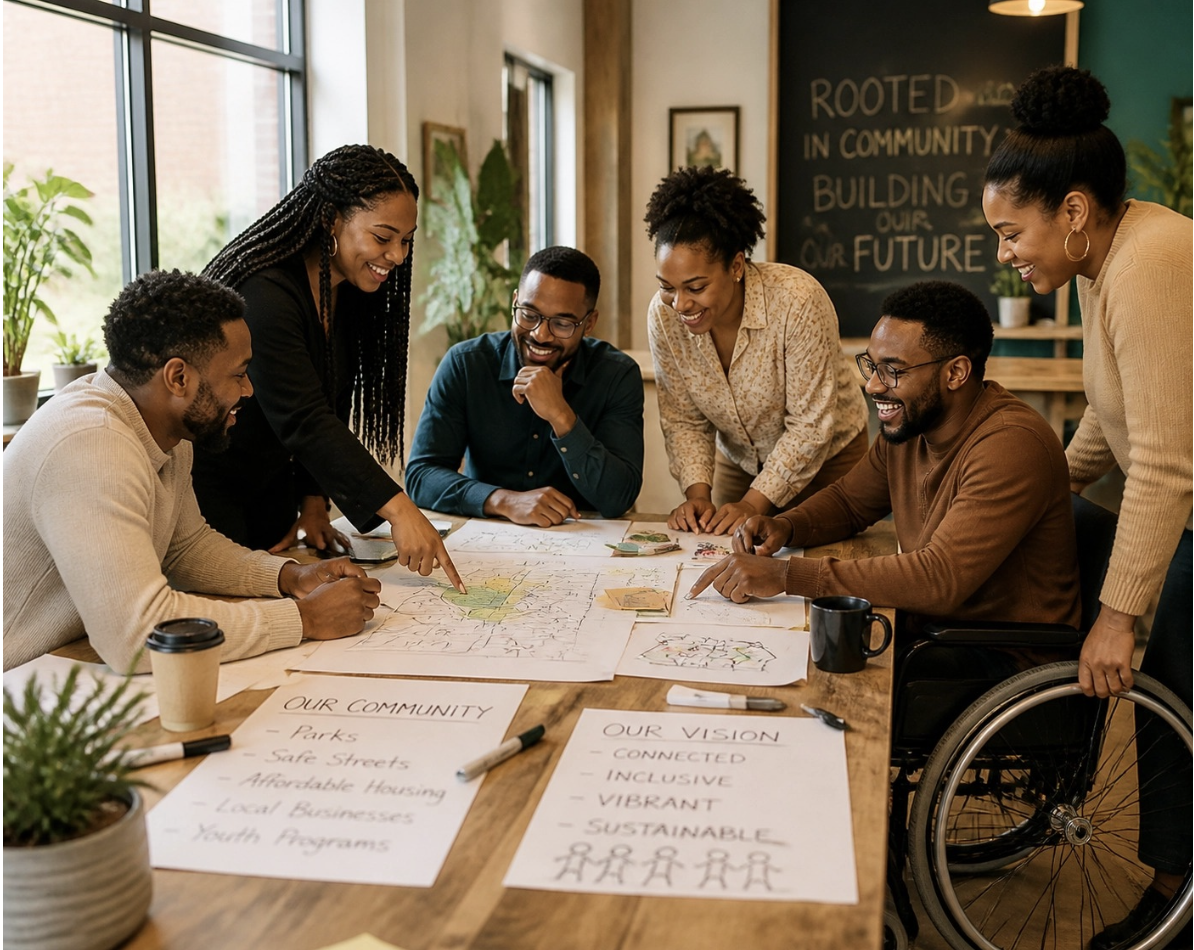
When we talk about co-creation, we mean a relationship built on mutual respect. It’s about sitting down at the same table: not a board table in a high-rise, but a kitchen table in the heart of the neighborhood. This shift allows for a much more organic flow of ideas. It turns “giving” into a collaborative process in which the donor provides the fuel and the community has built the engine that drives the change.
SHARED POWER & GOVERNANCE: REDEFINING THE TABLE
Participatory philanthropy flips this script. It’s about Governance & Power Alignment. This means bringing community members into the decision-making process at every level. It means giving them a vote on where the grants go and how the programs are structured. When the community has a stake in the governance, the outcomes are naturally more sustainable. Why? Because the solutions are tailored to the reality on the ground, not a theory in a white paper.
By shifting decision-making power, we are ensuring that capital works toward long-term growth and stability. We are moving from a model of “charity” to a model of “investment in human potential.” It’s a visionary way to look at how we build wealth within communities that have been historically overlooked.
“The most successful institutions of the future will be those that realize they are facilitators, not gatekeepers,” notes Dr. Elena Rodriguez, a leading voice in community-led grantmaking. “When you share power, you don’t lose influence: you gain impact.”
TRUST-BASED PHILANTHROPY: COLLABORATION OVER CONTROL
For too long, stewardship has been synonymous with “oversight.” We’ve burdened organizations with mountain-high piles of paperwork, rigid reporting requirements, and a level of scrutiny that suggests a lack of trust. If we are going to be co-creators, we have to lead with trust.
Trust-based philanthropy is about redesigning stewardship to be less about control and more about collaboration. It’s about moving away from “did you spend every cent exactly how we said?” to “how are we doing, and what do you need from us to succeed?” This approach recognizes that change is messy and non-linear. It gives organizations the flexibility to pivot when circumstances change: because they always do.

When we lead with trust, we free up the brilliant minds on the front lines to do what they do best: solve problems. We stop being the “hall monitors” of philanthropy and start being the “architects of possibility.” This shift requires us to be vulnerable, to listen more than we speak, and to believe in the integrity of our partners.
STRUCTURAL CAPITAL REDESIGN: BUILDING FOR CAPITAL FLOW EQUITY
To truly make this shift work, we have to look at the plumbing. We need a Structural Capital Redesign. This isn’t just about the “who” and the “why,” it’s about the “how.” We have to look at how capital flows through our systems and who decides the direction of that flow. This is what we call Capital Flow Equity.
Current systems often have “clogged pipes.” Barriers: both intentional and unintentional, prevent capital from reaching the grassroots leaders who need it most. Redesigning these structures means creating new funding pathways that are accessible, transparent, and driven by community priorities. It means moving away from the “standard” ways of doing business and being brave enough to try something new.
At Bridge Philanthropic Consulting, we help our clients navigate this redesign. We work to ensure that capital isn’t just sitting in an endowment, but is actively flowing into the hands of those who are building the future. This is visionary work. It’s about building a new financial architecture that supports shared power and long-term community health.

THE CALL TO ACTION: FROM GATEKEEPERS TO ARCHITECTS
The time for being a gatekeeper is over. The world is moving too fast, and the challenges we face are too great for any one group to hold all the keys. We are calling on institutions, foundations, and individual donors to step into the role of architect.
Don’t just give: co-create. Don’t just lead: partner. Don’t just watch: build.
WE ARE ALL INVESTED IN THE SAME GOAL: A VIBRANT, RESILIENT FUTURE. By embracing participatory philanthropy, we are choosing to believe in the power of the collective. We are choosing to trust our neighbors. We are choosing to build something that is bigger than ourselves.
This journey from donor to co-creator isn’t always easy. It requires unlearning old habits and being willing to let go of the steering wheel. But the destination is worth it. When we share power, we unlock a level of creativity and impact that a single check could never achieve.
TAKEAWAY: THE FUTURE IS COLLABORATIVE
The rise of participatory philanthropy marks a new chapter in our industry. It is a move toward more authentic relationships, more effective governance, and a more robust flow of capital to the front lines.
-
Shift from Transactional to Transformational: Focus on building with, not giving to.
-
Align Power with Governance: Bring lived experience into the boardroom.
-
Lead with Trust: Simplify stewardship and empower your partners.
-
Redesign Capital Flows: Ensure Capital Flow Equity by removing structural barriers.
We are here to help you navigate this transition. Whether you are an institution looking to redesign your grantmaking or a donor wanting to deepen your impact, we are ready to build with you. Let’s stop being observers of history and start being the co-creators of a better world.
For more information on how we can help your organization lead this movement, visit us at our website at www.bridgephilanthropicconsulting.com.
BPC adheres to the highest ethical standards in its work as a member of the Association of Fundraising Professionals, the Association of African-American Development Officers, and the Giving Institute.

Download The Free BPC Capital Campaign Guide
Running a capital campaign can be a game-changer for your non-profit organization. This comprehensive guide dissects the process and offers expert advice to help you prepare for a successful capital campaign.

