

Thought Leadership
Beyond Grants: The Rise of Impact Investing and Hybrid Capital Models

WE ARE STANDING AT THE PRECIPICE OF A NEW FINANCIAL RENAISSANCE. For decades, the world of doing good was neatly tucked into a box labeled “philanthropy,” while the world of doing well was locked inside “investing.” But those walls are crumbling. We’re seeing a major shift where the lines between a grant and an investment are blurring, and honestly, it’s overdue. More institutions now want every dollar to do more than leave the building once. They want capital that can unlock growth, support mission delivery, and create lasting strength over time.
At Bridge Philanthropic Consulting, we’ve always believed that if we want to move the needle on the world’s toughest challenges, we need more than generosity, we need strategy. We need a way to make capital work harder, smarter, and longer. This is where impact investing and hybrid capital models come into play. We’re moving beyond the one off gift and toward a sustainable Asset & Endowment Strategy that helps partners build long term resilience and stronger outcomes for the communities they serve.
This shift also reflects a broader truth we see every day, fundraising alone cannot carry the full weight of modern mission driven institutions. Organizations need revenue models, balance sheets, governance structures, and funding strategies that can hold up under pressure. Hybrid capital gives leaders more room to build, adapt, and stay focused on results.
THE $124 TRILLION WEALTH TRANSFER ISN’T JUST A STATISTIC, IT’S A MANDATE FOR CHANGE. As trillions of dollars pass to a new generation, expectations are changing with them. Today’s leaders are not satisfied with a year end report and a thank you letter. They want to see their capital actively solving problems while also preserving value and creating momentum. They are looking for Structural Capital Redesign.
I often tell our partners that the traditional grant model, while essential, is like trying to fuel a jet engine with a watering can. It works in certain moments, but it will not get the plane off the ground for the long haul. Impact investing lets us fuel that engine with sustainable, recyclable capital. It is the intentional deployment of funds to generate measurable social or environmental outcomes alongside a financial return.
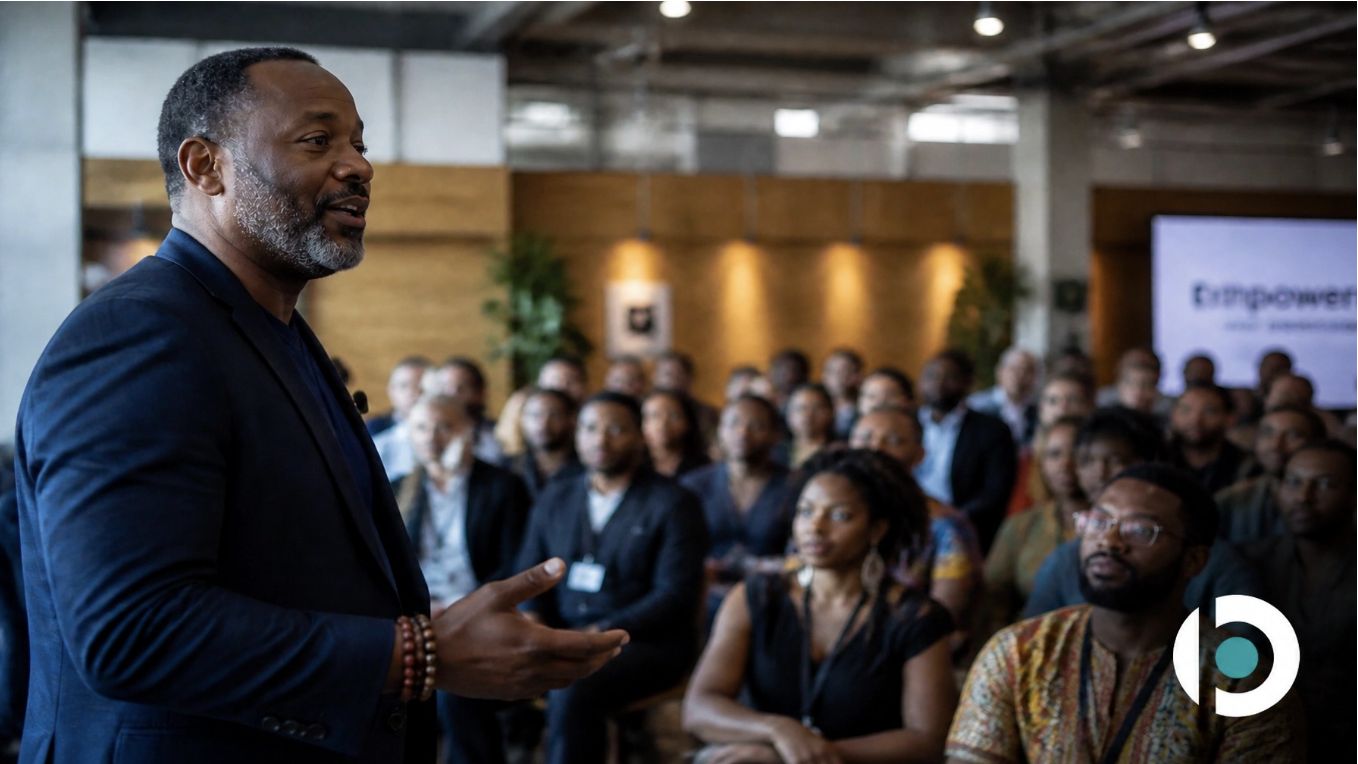
“Philanthropy is no longer just about writing a check, it’s about engineering capital to work harder for the communities we serve,” says Dwayne Ashley, CEO of Bridge Philanthropic Consulting. “We are helping our clients move from being spectators of wealth to being architects of impact.”
That perspective matters because leaders are being asked tougher questions than ever before. Can your funding model survive volatility. Can your assets support mission beyond the annual campaign. Can your institution use capital in a way that creates strength for the next decade, not just the next quarter. These are the conversations shaping the field right now, and they are pushing more organizations to think beyond grants alone.

WE ARE REIMAGINING THE ARCHITECTURE OF FUNDING THROUGH BLENDED FINANCE. What exactly is hybrid capital? Think of it as a toolkit. Instead of only having a hammer, the grant, we now have a fuller set of instruments, low interest loans, recoverable grants, revenue based financing, guarantees, and other structured vehicles that can meet different needs at different stages of growth.
When we talk about Capital Flow Strategy, we’re talking about how to combine these forms of money to lower risk and attract more partners. For example, a foundation might provide a first loss grant that makes a project less risky for a traditional bank to join. This can turn $1 million of philanthropic funding into several times that amount in total investment. That is how we scale. That is how we support housing, community development, health, and education efforts that need more than short term support.
THE RISE OF THE HYBRID MODEL IS DRIVEN BY THREE MAIN FACTORS:
-
Intentionality: Every dollar goes out with a clear purpose and an expectation of performance.
-
Recyclability: When an investment is repaid, that capital can be redeployed into the next opportunity.
-
Accountability: Because financial discipline is built into the structure, organizations often gain better reporting, sharper strategy, and stronger execution.
For many leaders, this is not about replacing grants. It is about expanding the playbook. Grants still matter deeply. They can catalyze early work, support experimentation, and protect mission. But when paired with the right financial tools, they can also unlock larger pools of capital and help organizations build staying power.
OUR PARTNERS ARE DISCOVERING THAT DOING WELL AND DOING GOOD ARE NOT MUTUALLY EXCLUSIVE. In fact, recent data shows that 94% of impact investors report that their financial performance met or exceeded their expectations. The myth that you have to give it all away to make a difference is officially busted.
At BPC, we act as the bridge between these complex financial structures and the missions that matter most. We help organizations navigate nontraditional funding while making sure they have the right legal, financial, and governance frameworks to manage hybrid capital responsibly. We do not just help find money, we help structure it in a way that supports the vision and protects long term sustainability.
“The integration of commercial capital with philanthropic intent is the single most powerful lever we have for scaling social change,” notes Amit Bouri, CEO of the Global Impact Investing Network, GIIN.
That is where careful design matters. The wrong capital can distort a mission just as easily as the right capital can strengthen it. We work with partners to ask the practical questions early, what kind of return is realistic, what reporting burden is manageable, what governance approvals are required, and how the structure will affect future fundraising and operations. Those details are what turn a promising idea into a durable funding strategy.
STRUCTURAL CAPITAL REDESIGN IS ABOUT BUILDING FOR THE FUTURE, NOT JUST REACTING TO THE PRESENT. We see this most clearly in housing, place based development, and institutional growth. Instead of only funding a short term intervention, we are helping partners think about permanent assets, revenue generating opportunities, and capital structures that can support mission over time. In some cases, that means using layered financing to support affordable housing. In others, it means helping a social enterprise grow without giving up control too early.
This is a more collaborative, data informed way to think about philanthropy and finance. By focusing on Capital Flow Strategy, we help ensure resources move where they can do the most work and where long term outcomes can actually take root.
WHY BPC IS YOUR PARTNER IN THIS EVOLUTION:
-
Deep Expertise: We understand the nuances of both the boardroom and the community.
-
Access: We connect you to nontraditional funding sources, from family offices to impact funds.
-
Innovation: We design tailored capital structures that fit your mission, timing, and goals.
THE FUTURE OF GIVING IS TRANSFORMATIONAL, NOT TRANSACTIONAL. We want to help organizations build lasting strength, not just bigger donor lists. Whether you are a foundation considering mission aligned investing, or a nonprofit exploring private capital for the first time, we are here to help you think clearly, move strategically, and build with confidence.
The shift toward impact investing is not just a trend, it is part of a larger evolution in how institutions sustain their work. Every financial decision carries consequences. When we align assets, strategy, and mission, we create a stronger platform for long term results.
TAKEAWAYS FOR THE VISIONARY LEADER:
• Grants are still essential, but hybrid capital can help organizations grow beyond one time funding.
• The Great Wealth Transfer is increasing demand for measurable, sustainable outcomes.
• Strong capital strategy requires structure, governance, and the right funding mix.
• BPC helps partners navigate these complex models with clarity and purpose.
For more information on how we can help your organization navigate the rise of impact investing and structure your next move, visit www.bridgephilanthropicconsulting.com. Let’s build something that lasts.
SUMMARY: Impact investing and hybrid capital models are giving mission driven organizations more ways to fund growth, protect sustainability, and extend the life of every dollar. The opportunity is not simply to raise more money, it is to build smarter financial structures for the future.

Download The Free BPC Capital Campaign Guide
Running a capital campaign can be a game-changer for your non-profit organization. This comprehensive guide dissects the process and offers expert advice to help you prepare for a successful capital campaign.

