

Thought Leadership
Culture as Infrastructure: Investing in Arts as a Strategy for Economic Development
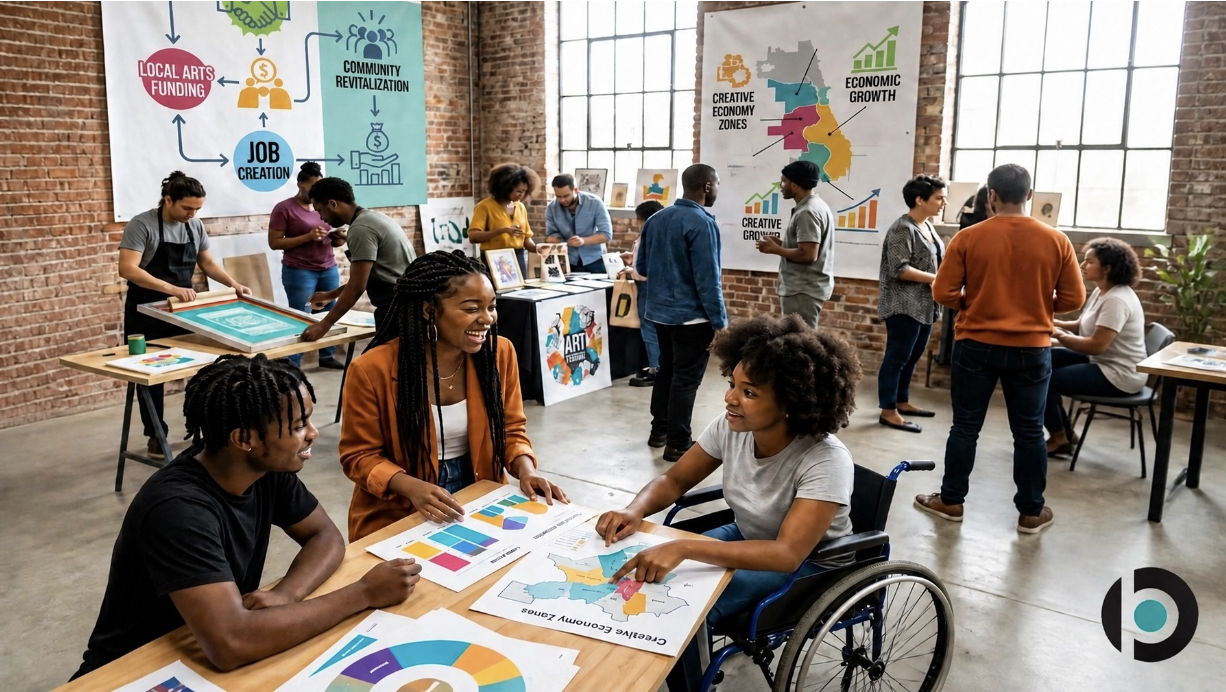
We are redefining the blueprint of progress by recognizing that culture is not a luxury; it is the foundation of economic vitality and community transformation.
For too long, we have treated the arts like the “cherry on top” of a community. We look at a new theater, a vibrant mural, or a community dance festival as something we get to have only after the “real” work of building roads, bridges, and power lines is finished. At Bridge Philanthropic Consulting, we believe it is time to flip that script. We are stepping into a future where culture is viewed as fundamental infrastructure.
When we talk about infrastructure, we talk about the systems that keep a society moving. We talk about connectivity, reliability, and growth. If a bridge connects two sides of a city, a cultural institution connects the people within it to opportunities, jobs, and shared identity. Investing in the arts is not a soft donation; it is a hard-hat investment in the economic health of our neighborhoods.
As I always tell our partners, “When we treat culture as infrastructure, we stop looking at arts as a charity case and start seeing it as a blue-chip investment in our collective future,” says Dwayne Ashley, CEO of Bridge Philanthropic Consulting.
The High-Octane Engines of Economic Growth
Let’s talk numbers, because the data tells a story that is impossible to ignore. We aren’t just talking about “feeling good” here. We are talking about massive economic activity. In 2022 alone, the non-profit arts and culture sector generated over $151 billion in economic activity across the United States. That is more than just ticket sales. That is $29 billion in tax revenue and millions of jobs that sustain families and fuel local businesses.
When we invest in a cultural hub, we are fueling an economic engine that runs 24/7.
-
Job Creation: The arts are labor-intensive. You need designers, builders, performers, managers, and technicians. These are local jobs that cannot be outsourced.
-
Tourism and Hospitality: Culture is a magnet. People travel for experiences. They stay in hotels, eat at restaurants, and shop at local boutiques because they were drawn in by a museum exhibition or a music festival.
-
Urban Revitalization: We have seen it happen a thousand times. A neglected warehouse district becomes a thriving commercial zone when artists move in and create a reason for people to be there.

A Necessary Shift: The Structural Capital Redesign
If we agree that culture is infrastructure, then we have to change how we pay for it. You don’t fund a highway with a one-time “seasonal grant” and expect it to last fifty years. You fund it with long-term capital, maintenance budgets, and a vision for the future.
We are advocating for a Structural Capital Redesign. This means moving away from the “starving artist” philanthropy model, where organizations have to beg for crumbs every year. Instead, we are helping our partners move toward an Asset & Endowment Strategy.
We want to see cultural institutions own their buildings. We want to see them have endowments that allow them to plan ten years out, not ten months out. When an organization has a solid financial foundation, it can take risks, innovate, and provide stable careers for the people in their community. We are building the financial architecture that turns a temporary project into a permanent pillar of the economy.
Focusing on Capital Flow Equity
Our work is grounded in the idea of Capital Flow Equity. This isn’t just about how much money goes into a project; it’s about where that money goes next. When we invest in local cultural infrastructure, the wealth stays in the community. It circulates. The muralist hires a local printer. The theater buys supplies from the local hardware store. The festival hires local security and catering.
This creates measurable wealth. We can see the rise in property values, the increase in small-business starts, and the growth in household income in areas where cultural investment is prioritized. We are moving money with intention, ensuring that the flow of capital raises the tide for everyone, not just the few at the top.
According to Randy Cohen, Vice President of Research at Americans for the Arts, “The arts are a formidable industry: supporting jobs, generating government revenue, and serving as the cornerstone of tourism. They are a catalyst for a vibrant, healthy, and sustainable economy.”
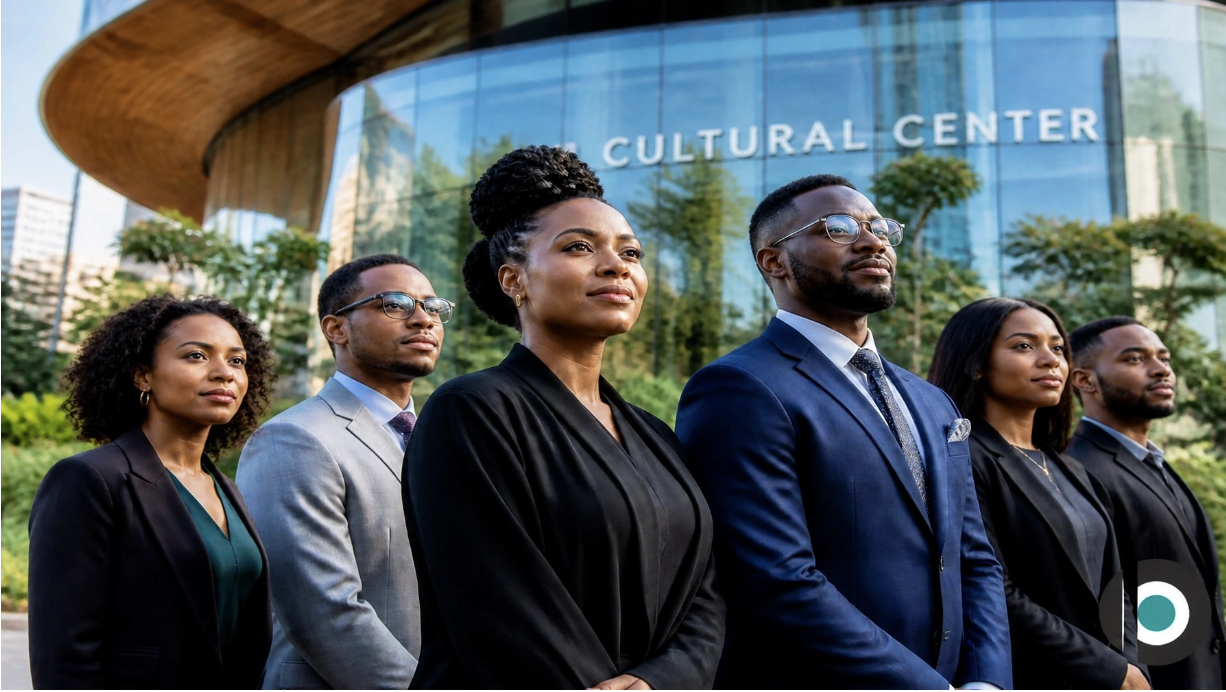
Governance & Power Alignment: Who Holds the Compass?
You wouldn’t let someone who has never driven a car design your city’s highway system. So why do we let people who are disconnected from a community’s culture make all the decisions about its funding?
A key part of treating culture as infrastructure is ensuring Governance & Power Alignment. We believe that the people who live in the community, the creators who breathe life into the culture, and the local leaders who understand the neighborhood’s pulse must have a seat at the decision-making table.
True partnership means shifting the power of choice. When community members are co-creators of the investment strategy, the outcomes are more resilient. They know which programs will actually drive foot traffic. They know which artists need the most support. They know how to turn a cultural asset into a long-term economic win. We are here to facilitate that alignment, making sure the people most impacted by the investment are the ones steering the ship.
Building the Architecture of Resilience
At the end of the day, a city without culture is just a collection of buildings. A community without its own creative heartbeat is just a place where people sleep. By investing in the arts as infrastructure, we are building the architecture of a resilient and vibrant economy.
We are creating places where people want to live, work, and stay. We are creating a sense of community identity that acts as a shield against economic downturns. We are ensuring that the next generation has a reason to be proud of where they come from and a way to make a living doing what they love.
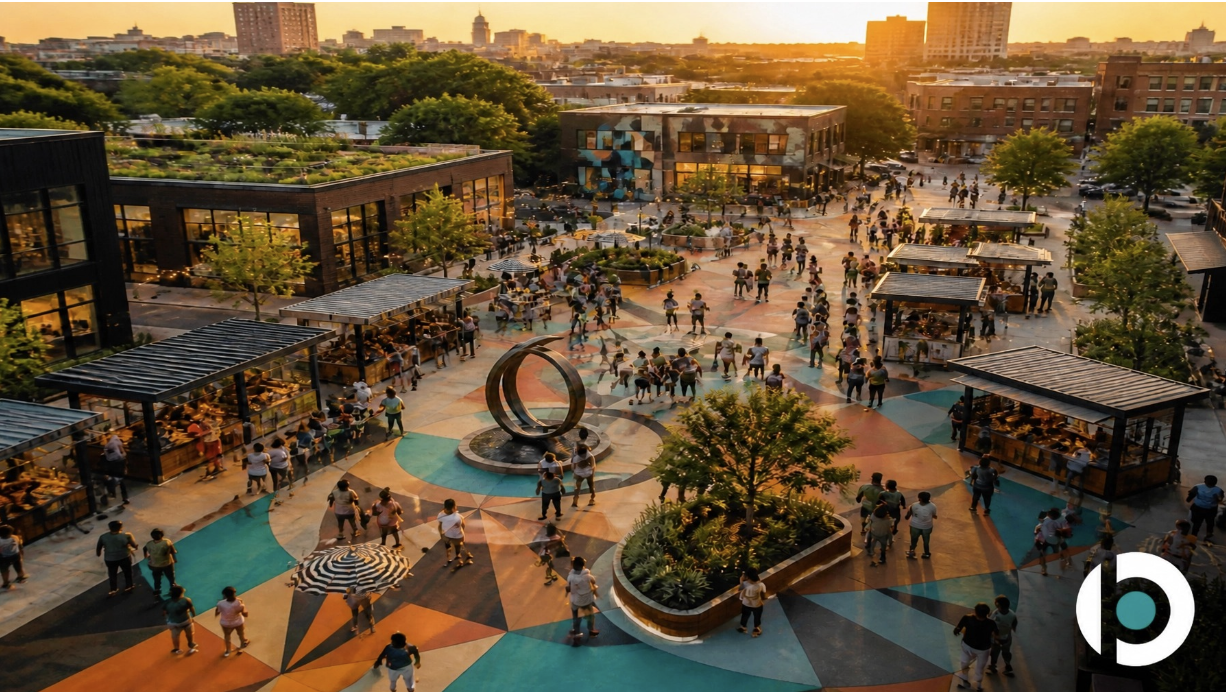
The Takeaway
We are calling on leaders, philanthropists, and policymakers to change their perspective. Stop looking at the arts as an expense. Start looking at them as an asset.
-
Culture is Infrastructure: It is as vital as any road or bridge for a healthy city.
-
Economic Impact is Real: It drives jobs, taxes, and tourism.
-
Redesign the System: Move toward long-term Asset & Endowment Strategies.
-
Keep Wealth Local: Use Capital Flow Equity to ensure communities thrive from within.
-
Align the Power: Put the community in the driver’s seat of decision-making.
We are ready to help you bridge the gap between vision and reality. If you are looking to redesign your capital strategy or build a cultural legacy that lasts for generations, let’s get to work together.
Visit our website at www.bridgephilanthropicconsulting.com to learn how we can partner with you to transform your community’s cultural landscape.

Download The Free BPC Capital Campaign Guide
Running a capital campaign can be a game-changer for your non-profit organization. This comprehensive guide dissects the process and offers expert advice to help you prepare for a successful capital campaign.

