

Thought Leadership
Finding the Right CRM: 3 Strategies for finding the right product for your organization

When we talk about Philanthropic Capital Redesign, we aren’t just talking about big ideas. We are talking about the infrastructure that makes your fundraising possible. Many people view a Customer Relationship Management (CRM) system as a glorified digital Rolodex or a place to store email addresses. But we see it differently. A CRM is the nervous system of your organization’s stewardship and cultivation strategy. It is the repository of your institutional memory and the engine that drives your ability to secure prospect meetings and close major gifts with Ultra-High Net Worth (UHNW) donors.
If your CRM isn’t reflecting your vision, it’s time for a redesign. Here are three strategies to help you find the right product to anchor your organization’s future.
Strategy 1: The Needs Assessment – Diagnosing the Gaps
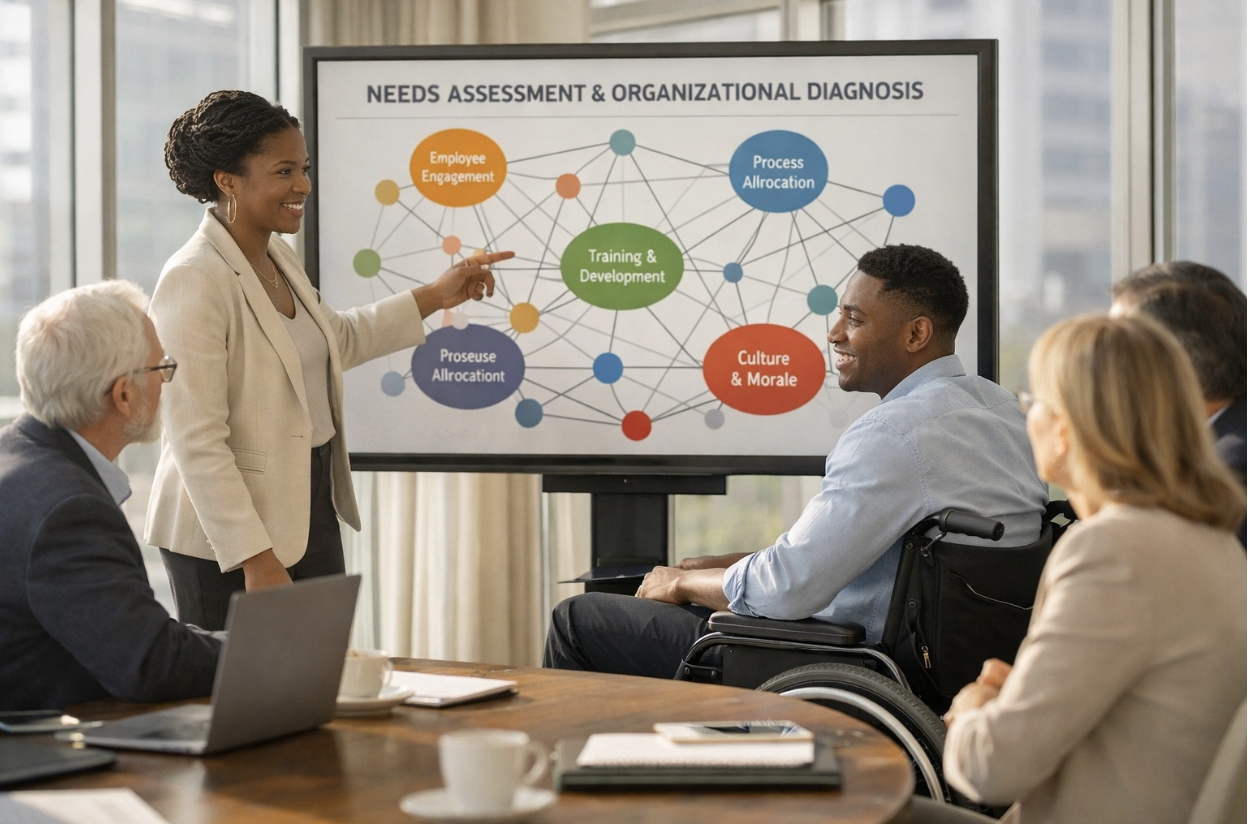
WE MUST START BY LOOKING INWARD TO UNDERSTAND OUR EXTERNAL IMPACT. Before you ever look at a software demo or a feature list, you must conduct a deep-dive assessment of your current state. At BPC, we believe that you cannot fix what you have not diagnosed. Selecting a CRM without a needs assessment is like building a skyscraper on a foundation of sand.
A true needs assessment asks the hard questions about governance, revenue diversification, and donor concentration. Are you overly dependent on a small handful of legacy donors? Is your revenue stream diversified enough to withstand economic shifts? If your data is scattered across spreadsheets, post-it notes, and the individual brains of your development officers, you have a systemic gap that threatens your long-term sustainability.
We’ve seen organizations struggle because their data is siloed. When data is siloed, equity is stalled. You need a system that can track not just who gave what, but the quality and depth of those relationships. You need to identify where your prospect meetings are falling through the cracks and where your UHNW outreach is losing momentum.
“A CRM is more than a database; it is a mirror reflecting your organization’s values and its readiness for growth,” says Dwayne Ashley, CEO of Bridge Philanthropic Consulting. “If your system doesn’t allow you to see the full picture of your community, you are essentially flying blind in a world that demands precision and transparency.”
Strategy 2: Ease and Functionality – Aligning with Workflow
TECHNOLOGY SHOULD SERVE THE PEOPLE, NOT THE OTHER WAY AROUND. The most sophisticated CRM in the world is useless if your team refuses to use it. When we work with clients to redesign their resource development capital structures, we emphasize the “Structural Capital Redesign Architecture™.” This framework ensures that the tools you use align perfectly with your team’s actual human workflow.
Ease of use isn’t just a “nice to have”, it is a requirement for institutional health. If a system is too clunky, your gift officers will stop entering notes. If the reporting is too complex, your board will lose confidence in the numbers. We look for functionality that supports the high-stakes work of cultivation and stewardship. Does the tool make it easier to steward your donors/philanthropic investors and identify growth opportunities and planned-giving prospects? Does it give you a clear view of your pipeline in real-time?
Functionality also means integration. Your CRM needs to speak the same language as your marketing tools, your accounting software, and your social impact reporting systems. This interconnectedness enables a visionary approach to fundraising. It transforms a list of names into a roadmap for systemic change.
As nonprofit technology expert Beth Kanter notes, “The best technology for a nonprofit is the one that actually gets used to build deeper relationships. We have to move past the ‘tech for tech’s sake’ mindset and focus on tools that enhance human connection and mission delivery.”

Strategy 3: Long-term Sustainability and Scalability
WE ARE BUILDING FOR THE NEXT CENTURY, NOT JUST THE NEXT QUARTER. When we guide our partners toward social impact around the world, we are always thinking about the long game. The CRM you choose today must be capable of supporting your organization when it is twice, five times, or ten times its current size.
Specifically, you need a system that supports asset and endowment growth. Many organizations focus solely on the next annual campaign and gala, but it’s about building community wealth that lasts. Can your CRM track complex planned gifts? Can it manage the long-term stewardship required for a multi-million dollar endowment? If your system can’t scale, your growth potential will be limited.
Scalability also means the ability to adapt to new philanthropic trends. Whether it’s crypto-philanthropy, donor-advised funds (DAFs), or collaborative giving circles, your CRM must be flexible enough to capture these evolving capital flows.

Navigating the Average Pricing Landscape
WE MUST BE STEWARDS OF EVERY DOLLAR TO MAXIMIZE OUR IMPACT. While we won’t name names, it is vital to understand how the CRM market is priced so you can budget effectively for your redesign. Most platforms fall into one of three pricing buckets:
-
Per User Models: This is the most common for cloud-based platforms. You pay a monthly or annual fee for every staff member who needs a login. This is great for smaller teams but can become expensive as you grow.
-
Per Record/Contact Models: Here, you pay based on the size of your database. This model incentivizes you to keep your data clean, which we love, but it can create “sticker shock” if you suddenly ingest a massive list of new prospects.
-
Flat Fee / Tiered Models: Some specialized providers offer a flat fee based on your organization’s total revenue or a tiered system that includes a set number of users and records.
Don’t forget to factor in the “hidden” costs: implementation fees, data migration from your old system, and ongoing training. A low-cost CRM that requires $50,000 in consulting to make it work isn’t actually cheap. We always advocate for a transparent, visionary budget that views technology as an investment in your future.
A System Built for Sustainability
Choosing a CRM is not a technical chore; it is a strategic declaration of your organization’s intent. By focusing on a rigorous needs assessment, prioritizing your team’s human workflow, and ensuring your system can scale for long-term community wealth, you are setting the stage for a new era of philanthropic success. At Bridge Philanthropic Consulting, we believe that when the right people have the right tools, there is no limit to the impact we can create together.
BPC adheres to the highest ethical standards in its work as a member of the Association of Fundraising Professionals, the Association of African-American Development Officers, and the Giving Institute.

Download The Free BPC Capital Campaign Guide
Running a capital campaign can be a game-changer for your non-profit organization. This comprehensive guide dissects the process and offers expert advice to help you prepare for a successful capital campaign.

