

Thought Leadership
Public Trust Is Still Low: Three Strategies for Restoring Trust With Philanthropic Investors

THE TRUST GAP IS THE STORY
To restore public trust, start by changing how your institution operates.
Americans trust nonprofits. They do not trust philanthropy. The 2026 Trust in Nonprofits and Philanthropy study, commissioned by Independent Sector and conducted by Edelman Data and Intelligence, found that 56 percent of Americans report high trust in nonprofit organizations. Trust in philanthropic organizations fell four points to 29 percent.
That 27-point gap reflects public skepticism toward concentrated wealth and decision-making power, not skepticism toward generosity itself. Low trust creates real costs, including harder fundraising, greater scrutiny, weaker partnerships, and less room for thoughtful risk.
At Bridge Philanthropic Consulting, we believe trust is built through the systems that guide capital, not through polished language alone.
“Trust is not a communications outcome. It is a structural one. When funders are transparent about how capital moves, stays close to the communities they serve, and shares real decision-making power, credibility follows. Restoring trust is a redesign problem, not a messaging problem.” Dwayne Ashley, Founder and CEO of Bridge Philanthropic Consulting

STRATEGY ONE, SHOW HOW CAPITAL MOVES
Most foundation funders publish what you fund, what they decline, what you pay out, what they hold in reserves and endowments, and how they make those decisions. Many family foundations do so too.
Most institutions disclose what regulations require. Trusted institutions disclose what helps people understand. The research shows that transparency about how funds are used and where funding comes from directly strengthens confidence.
AI has also changed the trust equation. Seventy-six percent of respondents said nonprofits should fully disclose when and how they use AI. Thirty-seven percent said AI use would make them less likely to trust an organization.
If your institution uses AI, explain where it appears, what safeguards guide it, and where human judgment remains essential.
STRATEGY TWO: CHOOSE PROXIMITY OVER DISTANCE
Trust rises through direct contact. Sixty percent of respondents who engaged directly with a nonprofit during the past year reported higher trust afterward. The greatest gains came through joint advocacy, nonprofit events, and volunteering.
Philanthropic investors who remain at arm’s length remain unknown, and what remains unknown often remains untrusted.
Invite funders into listening sessions, site visits, neighborhood conversations, and shared convenings. These are not optional public relations activities. They are trust infrastructure.

STRATEGY THREE, SHARE REAL DECISION-MAKING POWER
Transparency without shared authority can look like performance.
Participatory grantmaking, community advisory councils with actual authority, and funding decisions that include people closest to the issue can change the relationship between institutions and communities.
HOW PUBLIC INSTITUTIONS CAN STRENGTHEN CONFIDENCE AND ACCOUNTABILITY
Public institutions, including government agencies, school systems, housing authorities, health departments, and public universities, carry a distinct trust burden because taxpayers fund them and public standards hold them accountable. We also know philanthropy and public institutions are often partners, and confidence in one shapes confidence in the other.
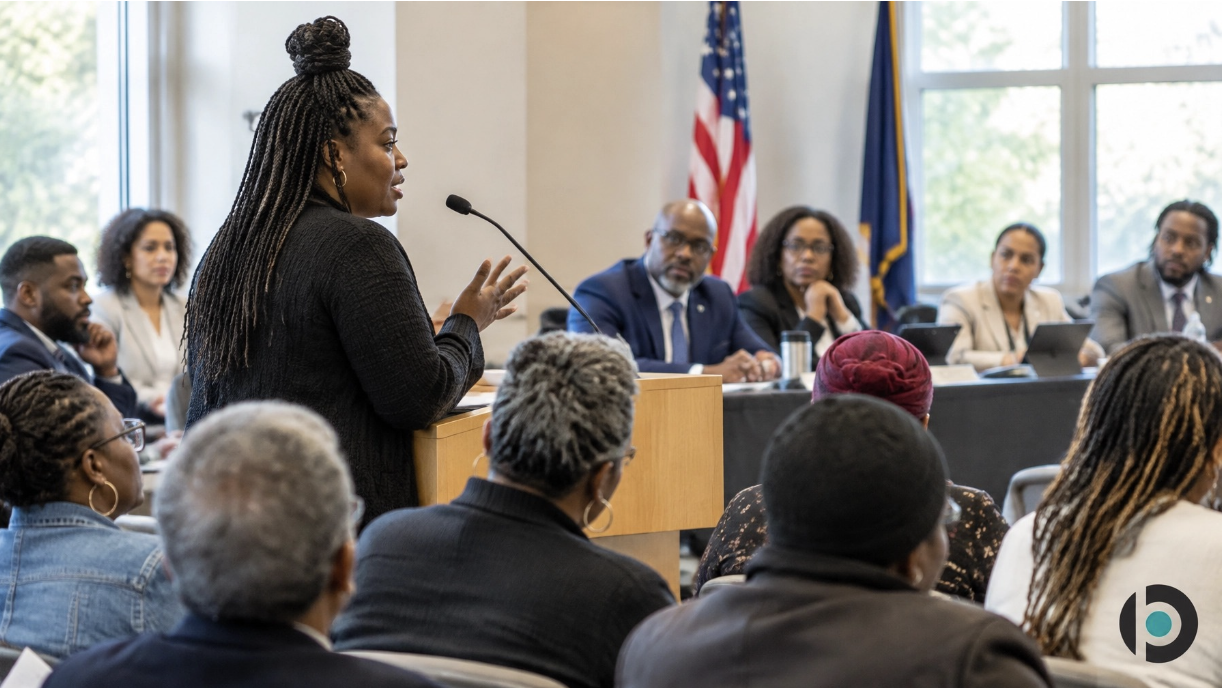
Make decisions visible by publishing procurement, grant awards, evaluation criteria, and results in plain language people can actually find and read, because accountability begins with legibility. Simplify access, because complicated applications and opaque eligibility rules push people away. Publish outcomes, not just activity, so the public can see whether conditions improved. Invite the public in before decisions are final through public comment, community advisory bodies with real influence, and open data. Build stronger partnership between philanthropy and public systems, because philanthropy can support innovation, technical capacity, and evaluation, while public institutions bring scale, permanence, and reach. Hold the line on integrity through conflict of interest safeguards, revolving door disclosures, and independent auditing.
WHAT THIS MEANS FOR FUNDRAISERS AND BOARDS
We encourage every foundation, family office, corporate funder, and nonprofit board to take four actions.
-
Audit public disclosures about funding, reserves, endowments, and decision-making.
-
Create regular opportunities for direct engagement with the people affected by funding decisions.
-
Review who holds authority and who remains outside the room.
-
Measure trust alongside dollars raised, grants awarded, and programs delivered.

RESTORING TRUST REQUIRES ACTION
Dr. Akilah Watkins, president and CEO of Independent Sector, said, “This new research shows that connection is an essential part of trust. Americans want to see how organizations use their funds and feel the impact of an organization in their communities. As Americans’ perceptions of government and corporations have worsened, nonprofit organizations have the opportunity and responsibility to invite more Americans to take an active role in their communities as nonprofit volunteers, advocates, and decision-makers.”
Trust compounds like any relationship, slowly, through consistent action. It can also disappear quickly when institutions protect information, avoid proximity, or retain authority without accountability.
Our takeaway is clear. Funders, boards, and nonprofit leaders must audit transparency, close the distance, and share authority. BPC adheres to the highest ethical standards in its work as a member of the Association of Fundraising Professionals, the Association of African-American Development Officers, and the Giving Institute.

Download The Free BPC Capital Campaign Guide
Running a capital campaign can be a game-changer for your non-profit organization. This comprehensive guide dissects the process and offers expert advice to help you prepare for a successful capital campaign.

